This morning the power went out.
My first instinct was to work around it. Expense solar panels. Tether to my phone. Keep the wheels turning.
Instead, I sent a message to say I was heading to the allotment. There was no drama. Just a thumbs up.
When the power came back on an hour or so later, there were no emails, no messages, nothing on fire. The rain began again minutes after I got through the door.
Everything had waited its turn.
No one missed me — and strangely, that felt safe.
It’s taken me years to understand that feeling.
In my first job, I was the only person looking after the websites and the computer system. It’s where I learned that if you know the most about something, you’re the expert. I’d been hired as a junior graphic designer, but I picked up the web work and built it out over five years — even writing a tender for the Wildlife Trusts to deliver a multisite Drupal 6 website.
When I left, they replaced me with two people and eventually dropped the websites altogether.
In my last employed role, I headed up a profitable design team. I made the case to hire another designer. We were doing well. Then COVID happened and they made the whole department redundant. That was the third time I had been made redundant — and I went into that job thinking it would be a forever role.
You can be indispensable and still be replaced.
You can be profitable and still be cut.
Carrying everything doesn’t protect you.
When my mum died, it was the same time I was made redundant. I didn’t get a cinematic goodbye. In her final days we could barely see her because of lockdown — timed slots, individually — until we were waiting for her body to completely shut down.
I told her she didn’t have to hang on for us, that we would cope, that I loved her.
I still replay that moment. I worry I said it wrong.
Words matter.
To her spirit, though, I made a promise: I would build a life where work didn’t come first. I would show up for the people I love. I would live it, not just manage it.
She had spent her sixty years working so I could have a better life. I was working to keep clients happy, beat deadlines, save my bosses money.
That promise is why I went freelance.
But going freelance and living the promise are not the same thing — especially when you genuinely want to do good in the world. When you want to build a business that does keep clients happy, beats deadlines and saves money.
On Monday, a friend was killed in a road accident.
He was an old hippy who used to make rockets. Once, in retirement, he wrote a detailed MATLAB programme calculating the trajectory of a bullet on a rotating frame of reference. He sent me all the details in an email. He said he’d got enormous pleasure from it and that I was probably the only person he knew who would understand both the science and the feeling of playing with “nurd” things.
At the time, I nodded politely.
I didn’t understand.
He used to sign off his emails with one-liners like:
“It’s life and life only. Stay cool.”
“Glad I met you.”
Who says that? So plainly. So generously.
I never wrote it back. I think I might have said it to him in the pub.
On Tuesday night I sifted through the scanned photographs he’d sent me over the years — pictures of me and Simon and Freddie, taken on his Leica and sent to a man in town to print. In one email from 2020 he said he hoped someone would cherish his photos when he died, though he suspected they’d end up in landfill because he took them mostly for himself.
I printed them all out yesterday.
Another friend from that same pub died a few years ago. At the time, someone close to him said through tears, “I wish I had told him not to die.” It made no rational sense. His death wasn’t in anyone’s control.
But I understood what she meant.
We all want one more lever to pull. One more moment. One more chance.
Now, when we leave in that friendship group, we say, “Love you, don’t die.” Sometimes loudly and across streets.
It’s slightly absurd. We know — all too well — that it doesn’t work like that. But it ensures one thing: nothing important is left unsaid.
This week reminded me that I can’t control redundancy. Or restructures. Or strokes. Or road accidents. Or power cuts.
I can’t make myself indispensable enough to outrun loss.
What I can control is whether I answer emails immediately.
Whether I step away when the lights go out.
Whether I go to the allotment and pick the cauliflower.
Whether I print the photographs.
Whether I say the words out loud.
When the power came back on, everything was still there. The inbox. The rain. The work.
I wasn’t less valuable because I’d been absent. If anything, I felt more aligned. I promised my mum I would build a life where work didn’t come first. This week, I remembered.
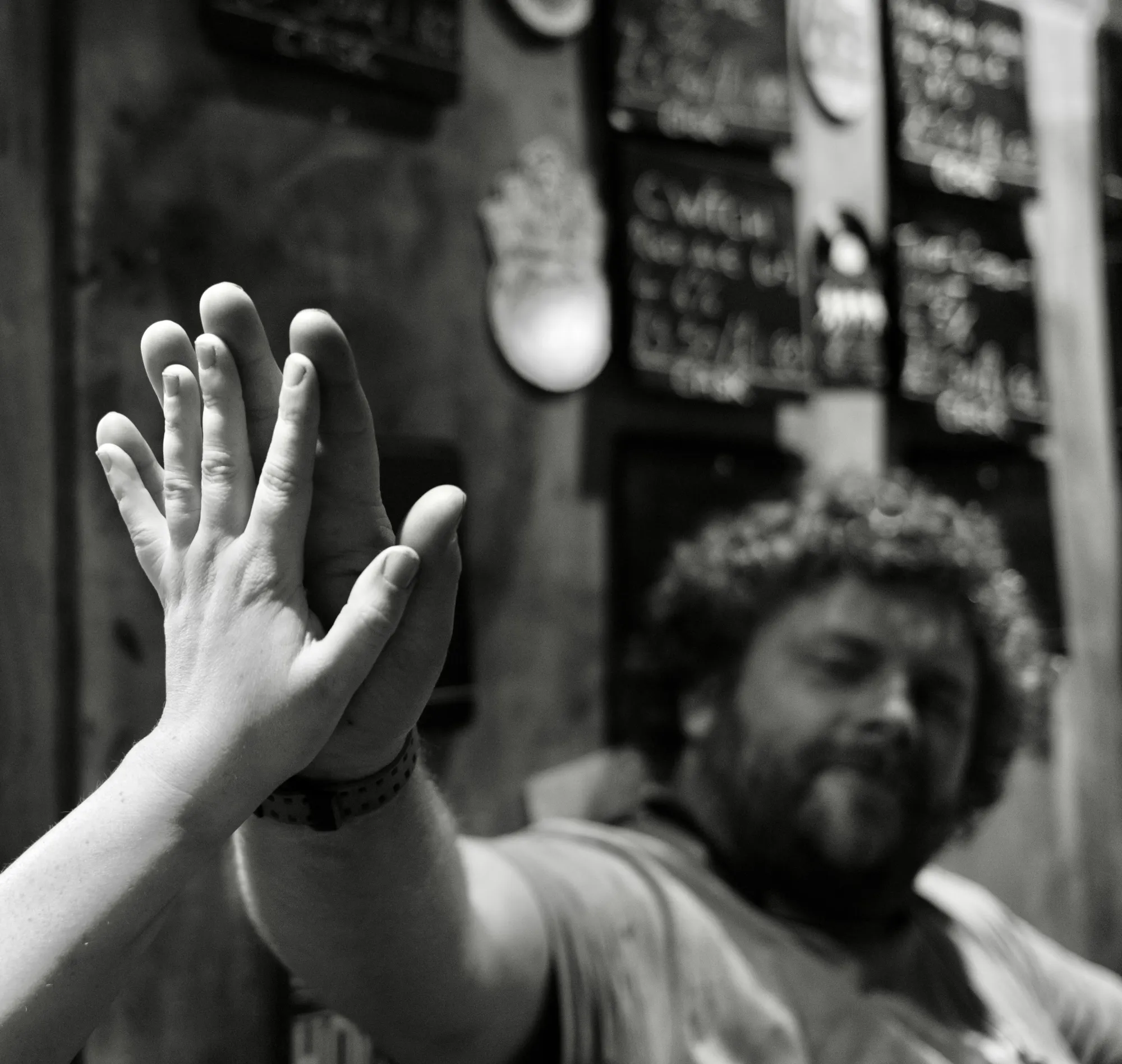
So now we say, “Love you, don’t die.”
Not because we think it keeps anyone here.
But because it keeps us honest about what matters.
I’m glad I met you.